The post Family-Friendly Hiking Trails in Georgia appeared first on The Simple Homeschool Lifestyle.
]]>Davidson-Arabia Nature Preserve Mountain View Trail
Starting off with an easy trail, this one may not be very well known, but is actually a beautiful hike you must consider taking when you’re here. The path takes you through a stretch of granite, a pristine lake, and a lush green forest, taking you right to the junction of the mountain top trail, which is just 0.2 miles up that takes you right to the summit!
Pine Mountain Trail
Consider taking the family hiking at FDR State Park. The Pine Mountain Trail is Georgia’s longest hiking trail and offers dazzling views of Allatoona Lake when you reach the summit. The hike through the serene forest can be a blissful experience, and along your way, you’ll also cross bridges, misty waterfalls, jaw-dropping valleys and a canopy of lush green trees across the forests. FDR State Park is home to over 20 family-friendly hiking trails.
Sweetwater Creek State Park Trail
Sweetwater Creek State Park offers plenty of options for family hiking trails in Georgia. Located just 15 miles from Atlanta, Sweetwater Creek State Park has 9 hikes for hiking enthusiasts to choose from. The Sweetwater Creek Red Trail is the best choice when it comes to family hiking trails. Georgia is also home to the New Manchester Mill Ruins. Here you can take in some of the most gorgeous views of the creek filled with white waters.

Georgia’s Blood Mountain Trail
When you’re in Georgia, don’t miss out on your chance to trek to the family-friendly Blood Mountain hiking trail in the heart of the Chattahoochee National Forest. Blood Mountain, Georgia’s tallest peak on the Appalachian trail provides sweeping views and countless options for a variety of fitness levels. Blood Mountain is an intense hike, but definitely do-able for families At the top of the mountain, be sure to stop for an obligatory selfie at Picnic Rock.
Dicks Creek Falls
Dicks Creek Falls is located on the Bartam Trail in North Georgia. Just 30 minutes from Helen Georgia, the hike is 1.5 miles round trip. Shady hardwood trees keep the path out of direct sunlight and the reward for this family-friendly hiking trail is a stunning 60-foot cascading waterfall.
Family-Friendly Hiking Anna Ruby Falls
Anna Ruby Falls is located on Tray Mountain near Unicoi State Park. It is the perfect day trip if you’re spending time in Helen, GA. Visitors can reach the falls by way of an easy trail that is a fun, family-friendly paved hike.
Twin waterfalls from Curtis Creek and York Creek fall parallel to one another to make up Anna Ruby Falls. They traverse through parts of Georgia and Florida out to the Gulf. John H. Nichols who was a captain in the Navy during the Civil War named the falls for his daughter. Nichols’s former home, The Hardman Farm State Historic Site, is a popular tourist attraction in nearby Helen.
On the other side of the ample parking area for Anna Ruby Falls is the Lion’s Eye Trail. This trail was designed for visually impaired or blind visitors and offers a multi-sensory journey along Smith Creek. Braille signage along the trail interprets the various smells, sounds and textures visitors may encounter.
The post Family-Friendly Hiking Trails in Georgia appeared first on The Simple Homeschool Lifestyle.
]]>The post Current Events for Kids: Where to Find Kid-Friendly News Resources appeared first on The Simple Homeschool Lifestyle.
]]>A Safe Online Environment Where Kids Can Research News Independently
We get our news today, in real-time, on social media. Our children generally hear snippets of press conferences or conversations going on around them. That’s why I wanted to make a concerted effort to compile a list of kid-friendly news outlets online designed to allow kids to discover and engage organically around their own interests. Rather than spoon-feeding information from my own perspective, I want my youngest to seek out information on his own and make his own inferences and come to his own conclusions.
Websites That Cover Current Events for Kids
A great way to incorporate some news websites would be to include them in your everyday routine. Each morning or afternoon you can give your child a certain amount of time to visit news websites to get the latest news. If you don’t want to make it a daily routine, you can have them compile a weekly roundup of what has transpired throughout the week. These current events websites for kids can help introduce what is happening around the world and in their everyday lives.

CNN 10 Student News on YouTube
CNN 10 is a YouTube channel that many classrooms use to help teach children about current events. The channel offers short videos that contain the most important news stories of the day. In addition to their YouTube speedy news segments, they also offer a few extra educational videos for more learning opportunities.
Scholastic Kids News Videos and Articles
Scholastic News is a great resource for learning about different current events. They currently offer online magazines for grades 1-6. Each grade has its own website and magazine so that you can choose the specific grade levels you need.
Smithsonian Tween Tribune Current Events for Kids
Brought to you by the Smithsonian, the Tween Tribune is a great news resource for kids in every grade. After the news lesson has been completed, kids can even take a quiz on what they have just learned.
DOGO Kids News Channel
Not only does DOGO News provide current events, it also gives kids the opportunity to reach out and learn what is happening in other subjects. The site has sections for Current Events, Science, Social Studies, World, Sports, the Environment, and even some other fun news and videos.
PBS Newshour Extra Daily News for Kids
Perfect for kids, PBS now has a news and current events section that they can use to learn more about what is happening around the world. PBS Newshour Extra also includes lesson plans if you want to create a more formal current events curriculum for your child.
Current Events Apps for Kids
Using apps is similar to using websites, it’s just provided in an app that can be accessed through your mobile devices. Some of the best apps include:
- News-O-Matic
- Time for Kids
- Ground News
Go Old-Old School Once in a While
In recent weeks, I’ve become more and more interested in tangible newspaper delivery. Blame it on 2020, but I think I’ve just got sensory overload when it comes to digital news sources. My humble journalism career began in a dark, dusty newsroom as an editorial assistant over 25 years ago, so I’m partial to the newspaper. At ten years old, I’d go through our local newspaper and circle typos and grammar mistakes….for fun; if you’re wondering what I’m like at parties, there you go.

Every so often, grab an actual newspaper next time you’re out, or have one delivered. Let your child see, touch, and feel news in its most pure form. When you remove the inflection and tone of an anchor encouraging viewers to feel a certain way, it allows for actual thinking of one’s own thoughts. Imagine that! Better yet, introduce your child to Reuters and the Associated Press. Those are the news service companies that the newspapers and media outlets receive their news from (before they put their political/sponsored spin on it).
Explore a variety of news outlets yourself and familiarize yourself with the business; that’s the best thing we can do for our children – provide them a variety of reputable resources and let them draw their own conclusions. You can also incorporate current events into your daily homeschool routine through podcasts. Maybe even seek out fun kids’ current events. Expand upon their interests by introducing articles related to what they’re excited about. Yes, even Minecraft. Incorporating their interests into current events will make learning about current events engaging for your child.
The post Current Events for Kids: Where to Find Kid-Friendly News Resources appeared first on The Simple Homeschool Lifestyle.
]]>The post Incorporating History into Roadschooling appeared first on The Simple Homeschool Lifestyle.
]]>The beauty of roadschooling is having the chance to immerse yourself in different places and cultures…and all the amazing field trips! That doesn’t mean that we neglected basic studies….math, language arts, science, social studies, copy work, physical education. What it means is that we took advantage of our location to emphasize certain studies at certain times – when they would make the most lasting impression.

Why travel?
When students have the opportunity to visit different places – rural, suburban, and urban – it helps them to better understand the nuances of the world around them. This includes the people and culture but also the landscapes. How better for urban students to explore geographic features, landmarks, and ecosystems than by actually visiting them? Rural students can get a better feel for the frenetic pace of an urban area by visiting and living within city limits for a while. This cross-cultural knowledge will help them to become better citizens and leaders in the future, as they apply their experiences to decision making.
Take a Virtual Trip!
There are so many different ways to infuse history into your roadschooling adventure! Here are just a few of our favorite roadschool trips that will inspire you to get started on your own journey…
- Fort Michilimackinac offers up some amazing, hands-on War of 1812 history, as well as the nearby historic Coast Guard icebreakers!
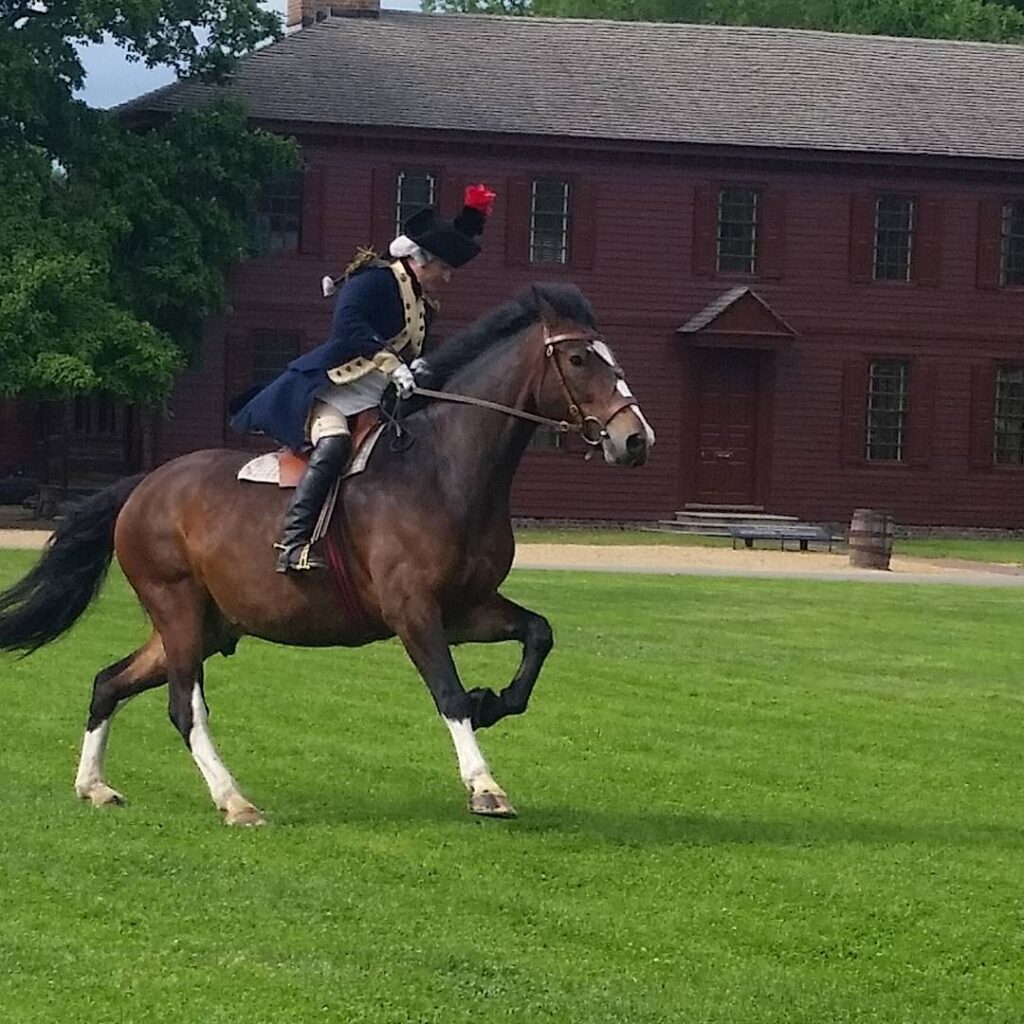
- No trip to Virginia would be complete without a stopover at the Historic Triangle, including Colonial Williamsburg.
- The tiny town of Silver Plume, Colorado is an adventure back in time to the days of the Colorado Gold Rush…but you just might find something else in your pan!
- Springfield, Illinois opens up the home and library of Abe Lincoln, offering a personal glimpse into the President’s experiences of the Civil War

Getting Started
Not everyone has the opportunity to travel full-time, but that doesn’t mean that you can’t turn a one week family vacation into a bit of fun-school! COVID is going to end someday, and life will return to a new normal.
I would encourage you to sit down with your family….start daydreaming about places that you’ve always wanted to visit…make a list of realistic and dream places. Choose one location from each list and start researching it – actually plan your trip! Two things will happen here. First, you’ll have your ducks in a row for when you’re able to actually make the trip. Second, you’ll be surprised at just how much you learn during the research!
A few tips to help you begin your journey…
Think outside the box. When asked, most children aren’t going to list architecture at the top of their ‘coolest things’ list. But after seeing such unique architectural styles, visiting places like the Biltmore House, Overholser Mansion, and Cornwall Iron Furnace might change that!
Plan ahead. Scout websites, including the city’s municipal site, to learn about the area you’re visiting – check for museums, events, festivals, factory tours, and anything relevant to that specific location. Site-specific websites will often have free educational resources to help guide your field trip.
Relax. We school through the summer, on the weekends, at midnight…pretty much whenever we want. We get more than the required days in, and that’s fine. We have a lot of field trip days, too. Want to know which style helps the kids learn and retain the most? Life experiences, of course!
Yvie is a veteran homeschooling mom and the high school counselor for The Homeschool House, a non-profit organization. She helps to create unit studies and enjoys helping other families on their homeschool journey. When not teaching or counseling, she enjoys reading, spending time in her garden, and traveling the country with her boys. You can find her at Homeschool On the Range, on Facebook, Instagram, or Pinterest
The post Incorporating History into Roadschooling appeared first on The Simple Homeschool Lifestyle.
]]>The post How to Make a DIY Crunchwrap at Home appeared first on The Simple Homeschool Lifestyle.
]]>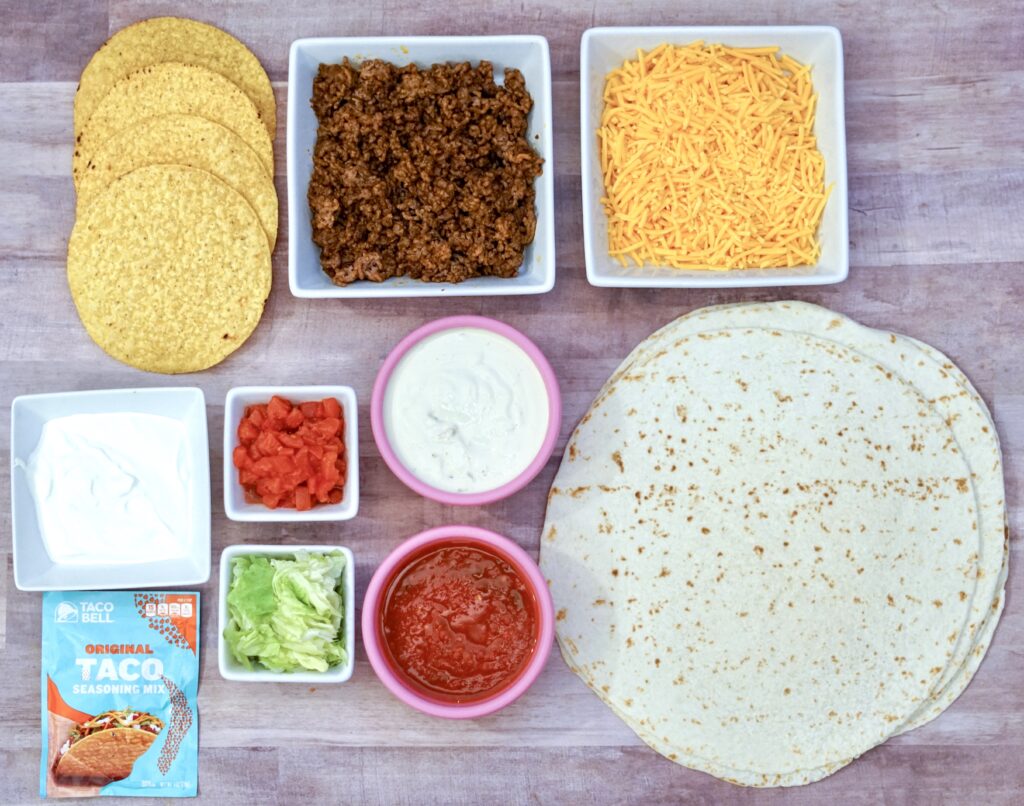
One of the great things about these crunchwraps is that they can be customized for every member of the family. They are individual servings so there is no need to worry about who doesn’t want this ingredient or that, they can just leave it off of their own crunchwrap. Another great thing about these crunchwraps is that you can put pretty much anything inside of them so they never get boring. They are also quite filling and of course… delicious!
Crunchwrap Supreme Vegan Options
If you’re looking for vegan options for your crunchwrap, we like to use Violife or Follow Your Heart shredded cheese as well as Siete Cashew Queso dip. For the protein, we’ll use tofu or Gardien crumbles.
How to Make a DIY Crunchwrap Supreme at Home
Making a DIY Crunchwrap Supreme at home is super easy! Just assemble your ingredients and let everyone customize their own crunchwrap! To assemble your crunchwraps you are going to want to use the largest flour tortillas that you can find, burrito sized or larger will work best.
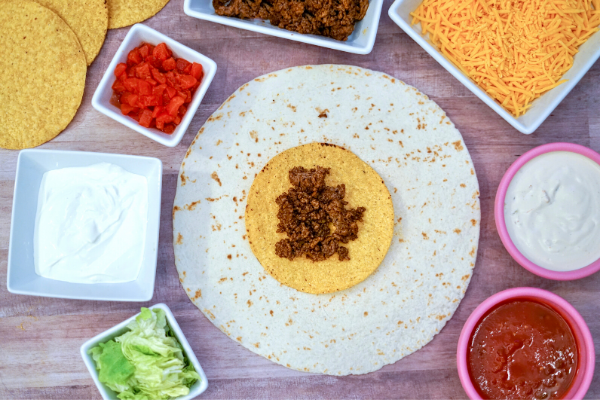
There are two different ways that you can assemble your crunchwraps: you can place your meat and cheese on the flour tortilla and then place the tostada on top of it. On top of the tostada put your lettuce, tomatoes, and onions (your cold toppings if you would), and then you are ready to fold your crunch wrap.
Place tostada on top of large burrito-sized tortilla. We like to use the stack of Pueblo Lindo tostadas from ALDI. The other way to assemble your crunchwrap is to place the tostada in the center of the flour tortilla and put all of your toppings on it. Then you fold your flour tortilla on top of the tostada.

Layer protein on top of the tostada shell; honestly you can do all of this in any order you prefer, this is just one way. Like we mentioned before you can put just about anything in your crunchwrap supreme. Shredded chicken or pork, ground beef, turkey, or chicken seasoned with taco seasoning, refried beans or seasoned black beans are great options for your protein.
In addition to your protein you will also need a few other ingredients. Shredded lettuce, chopped tomatoes, chopped onions, shredded cheese or cheese sauce, all go well inside of crunchwraps.
These crunchwraps are simple to make and they make a great lunch or a quick dinner on a busy weeknight. You can even plan to have crunchwraps for lunch or dinner after you have tacos or fajitas for dinner earlier in the week. Just make extra meat when you are cooking those dishes and put it in the fridge for later on to save yourself even more time in the kitchen.
The same goes with your veggies, just prepare a little extra and then all you have to do is assemble your crunchwraps after a long day or for a fast lunch.

What Goes Inside a Crunchwrap?
Don’t have any tostadas in the house? Not a problem. You can substitute them with broken taco shells or crush some tortilla chips and place those on top of your tortilla. Don’t have cheese sauce on hand? No worries. It’s easier and more health to make your own at home.
All you need is a little flour, a little butter, your favorite cheese, and a little milk. Start with a roux. You’ll need one 2 tablespoons of butter and 2 tablespoons of flour. Melt the butter then add in the flour and cook it down to a roux. Add in two cups of milk and let the roux dissolve then add cheese to taste. Pepper Jack cheese sauce would be great on these homemade crunchwraps and you can make cheese sauce in minutes.
Healthier Options for a DIY Crunchwrap at Home
If you are trying to keep things a bit more healthy, use Greek yogurt instead of sour cream, load them up with veggies, and use reduced-fat shredded cheese. You can see that these homemade crunchwrap supremes are very versatile. They only take minutes to make and the whole family is going to love them. So what are you going to put on your homemade crunchwrap?

How to Fold a Crunchwrap
If you’re wondering how to fold a crunchwrap, you’re in luck. The folding process is the same no matter which way you assemble your crunch wrap.
Once the wrap is folded it is time to give it some crunch. Place a small amount of oil in your skillet and brown it lightly on both sides. Remove from the skillet, place it on a plate, and serve warm.
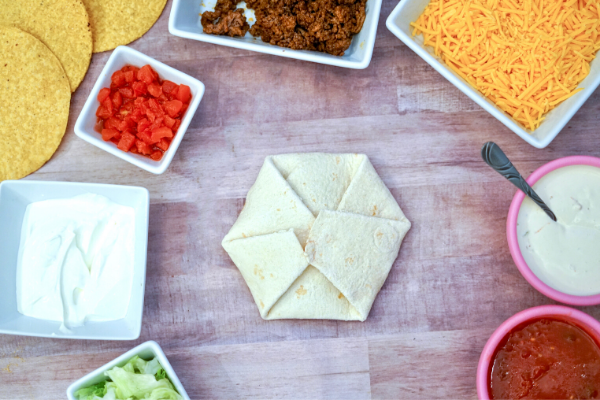
Lightly brown your homemade crunchwarp on both sides and you’re good to go! We like to serve these with guacamole or queso on the side.
We like to sometimes include tomato salsa, like pico de gallo or tomatillo salsa verde for dipping.

The post How to Make a DIY Crunchwrap at Home appeared first on The Simple Homeschool Lifestyle.
]]>The post Book Advent Calendar Ideas 2020: 25 Picture Books To Share With Your Kids This Christmas appeared first on The Simple Homeschool Lifestyle.
]]>Over the course of several weeks, I compiled some titles that I wanted to share with him; heartfelt stories of compassion and giving and introductions to cultures and traditions of which he may not be familiar. Ultimately, I just wanted one more special thing to share with him since we truly enjoy our read-aloud time together. Here are the 25 books I chose for our Christmas book Advent calendar; I hope it inspires you and your young reader.
this post contains affiliate links
Christmas Puzzles for Brainy Kids: Word Search, Soduku, etc…
Cranberry Christmas by Wendi Devlin

The Year of the Perfect Christmas Tree: An Appalachian Story


How the Grinch Stole Christmas
The Best Christmas Pageant Ever
Book Advent Day Nine – Foster The True Spirit of Christmas
I always like to let people know when a book or movie references the idea of not believing in Santa. The idea of Santa for some children is so real that the notion of him not existing hasn’t even crossed their minds. At the beginning of Patricia Polacco’s Welcome Comfort, the main character – who is in foster care – doesn’t believe that Santa is real. Ultimately, he does come to realize the magic of Christmas but I still think it’s important that parents are aware of the protagonist’s doubt before they begin reading the book to their children.
I do think Welcome Comfort would be the perfect book to read to a child who has just recently stopped believing in Santa Claus. The boy in the story actually becomes Santa, as he was chosen by the supporting character; the custodian at the school, who we discover was Santa previously. It’s a great message about keeping the spirit of Christmas alive inside of you. I would definitely recommend also reading The (Wonderful) Truth About Santa, to a child at this stage as well. It gives a beautiful account of the history of Santa Claus and why some parents choose to share the magic of Christmas in this way.
Give Back to the Community by Helping Foster Children in Need
There are quite a few things you could do as activities for this book. My first suggestion would be to use this book as a jumping-off point to begin a winter declutter and clear out. Go through old clothes and toys and donate them. If that’s just a lot to deal with right before the holidays, I highly recommend donating to your favorite charity.
One in particular that I recommend is Comfort Cases; an organization that puts together suitcases for children at risk who are entering the foster care system. Often if a child is removed from their home in an emergency situation, they’re given a trash bag to collect a few belongings. Comfort Cases provides suitcases with personal care items, pajamas, and a comfort item, like a stuffed animal, to help make a difficult and often scary transition just a little bit more comfortable for the child.
I wrote an article for Mom.com entitled, What to Know if You’re Adopting Through Foster Care where I interviewed one of the founders of Comfort Cases. If you’re looking to help out the community in this way, or want an activity to do upon reading Welcome Comfort, take a look at Comfort Cases wish list on Amazon.com.
Night of the Moon: A Muslim Holiday Story


Day Twenty-One of Book Advent – A Winter Solstice Family Night
Today is a very special day. It’s the longest night of the year and the shortest day. In the morning began the dough for our first rise of the Sunbread from Elisa Kleven’s book. I did a little bit of cleaning throughout the day in preparation for the coming festive days ahead. We then spent time shaping out our sunbread dough and getting it ready for the second rise. Once it was baked and cooled, I made some peppermint tea, just like the kind the farmer enjoyed in Dream Snow by Eric Carle. If you do get the Eric Carle book, Consider pairing this adorable book with the Dream Snow Pop-up Advent Calendar.
We ate the sunbread with butter and honey while drinking tea and reading Dream Snow aloud. We then went on to read the Sunbread book and finished with The Winter Solstice by Ellen Jackson. Be sure to preview this one before reading it to your children; it does reference ancient beliefs and rituals like sacrificing animals, etc… For a more gentle introduction to The Winter Solstice, this episode of Little Bear is great for younger children (and older ones as well) I always enjoy watching this show as it reminds me of when my now-adult kids were younger. The Shortest Day by Susan Cooper is another great book for younger children. It explains the winter solstice, poetically, so if your children sensitive to certain things, you may want to choose that one as an Advent calendar option.


Later in the evening, once all the adult siblings were home from work, the oldest built a fire in the backyard. We roasted hot dogs, marshmallows and the vegan adult child found a few sweet peppers and plant-based meatballs to roast. I’ll need to do better with my vegan solstice fire-pit planning next time.
Merry Christmas Strega Nona by Tomie dePaola
Too Many Tamales by Gary DeSoto
The Winter Candle by Jeron Ashford


The Ninth Night of Hanukah by Erica S. Perl

The post Book Advent Calendar Ideas 2020: 25 Picture Books To Share With Your Kids This Christmas appeared first on The Simple Homeschool Lifestyle.
]]>The post Visit the National Parks For Free With Your Fourth Grader | Junior Ranger Program appeared first on The Simple Homeschool Lifestyle.
]]>The initiative is made available from The National Park Service and aims to provide 4th graders with a free annual pass to visit the over 400 units of the National Park System as well as federal recreation areas of land and water.
this post contains affiliate links
Why Just Fourth Graders?
Research indicates that children in 4th grade, or age 9-11, are at an age that they can really start to understand how the world works around them. At this age, they are more apt to be engaged with nature and the environment as they learn. Getting kids in the parks and engaged with the world around them helps us raise responsible and informed adults.

What if My Younger or Older Child Wants to Participate?
Let them be part of The Junior Ranger Program! The Junior Ranger program is an activity-based program that you can find in almost all of the national parks. It is typically for children between the ages of 5 and 13, but people of all ages can participate.
To be a Junior Ranger, kids will interview a ranger, complete a series of activities during their visit to the park, share their answers, and receive their official Junior Ranger patch and certification.
They also offer a Junior Ranger Online program where kids can participate in online and printable activities. Parks will often post information and activities online for kids to discover and learn. This is a great way to view special parks and watch the wildlife from the comfort of your own home. It is also a great way to become a Junior Ranger online if you cannot get out to any of the national areas.
How to Get Involved with Every Kid Outdoors
In order to enjoy the vast amount of federally managed lands and waters, your 4th grader will need a special pass. Getting the pass is easy.
- Head over to Every Kid Outdoors to get your free pass.
- Participate in a short educational activity.
- Print your free passes.
What do I do with the pass?
Now that you have your free pass, enjoy the national lands and waters when you and your family head out on a vacation or field trip.
The pass is good for free entry for your 4th grader to any of the participating areas. No matter where you live, you have a participating area that is not too far away and within driving distance. A complete list can be found here.
This pass will have a unique code for 4th graders. If you have more than one 4th grader, you will need to get a pass for each child.

However, kids can bring a few friends and family into the parks with them. The pass grants free entry for fourth graders, all children under 16 in the group, and up to three accompanying adults. It is also good for an entire carload if you are going to visit a drive-in park. The pass is only for free entry into the areas and does not cover fees for camping, boat rides, etc.
Junior Ranger Badges You Can Earn From Home
For those looking for ways to incorporate the nation’s National Parks into your homeschool, there are plenty of fun and engaging options. For some National Parks, you don’t even need to leave your house. Here are some Junior Ranger Badges you can earn from home. You can of course visit these monuments and parks in person, but you can also earn badges from home.
National Park Badges You Can Earn From Home
New Bedford Whaling National Historical Park
President William Jefferson Clinton Birthplace
Petrified Forest National Park
Wrangell-St. Elias National Park and Preserve
Fort Matanzas National Monument
Castillo de San Marcos National Monument
Cesar E. Chavez National Monument
Junior Ranger Experience and Occupation Based Badges You Can Earn From Home
Junior Ranger Railroad Explorer
Spaceflight Explorer Junior Ranger
Junior Ranger Activities for Homeschool History
Visit the Belmont-Paul Women’s Equality National Monument and earn a Junior Suffragist certificate. This location was the home to the National Woman’s Party for almost 90 years. It was the center for all things related to the women’s rights movement. Earn an online certificate by completing the educational booklet to learn more about this historic monument.
Virtually visit the North Carolina Home and Farm of Pulitzer Prize-winning writer and journalist, Carl Sandburg. The Carl Sandburg Home National Historic Site Junior Ranger program is a great place to learn about his poetry and experiences. Complete the booklet activities while perusing the website and earn a Junior Ranger Badge right from home.
Head to the Charles Young Buffalo Soldiers National Monument website to learn about Charles Young and earn a Junior Ranger badge online.
One National Park on my bucket list is Glacier Bay in Alaska. The Glacier Bay Web Ranger program kids to learn about this national park online and earn a sticker and certificate upon completion of the online activities.
Other Ways to Learn about National Parks in Your Homeschool
If you’re looking for additional ways to incorporate the national parks into your homeschool, consider theTraveling the Parks unit study from The Waldock Way. This study explores 60 of the nation’s national parks in a fun and engaging way for all ages. It corresponds with America’s National Parks book and covers information about animals in the parks, notable people, history, games, and more.
National Parks Games to Play
Another fun resource that teaches about the National Parks System is the
National Parks Edition Monopoly Game


Trekking the National Parks: The Board Game


Yahtzee National Parks Travel Edition


Whether you choose to visit a National Park in person, virtually, or incorporate some games into your homeschool, these historical sites and geographical wonders are the perfect resource to bring into your homeschool.
The post Visit the National Parks For Free With Your Fourth Grader | Junior Ranger Program appeared first on The Simple Homeschool Lifestyle.
]]>The post Election Resources for Your Homeschool appeared first on The Simple Homeschool Lifestyle.
]]>
A solid foundation and positive experience around politics and government are imperative to raising informed and discerning, future voters. The following election resources will be a great addition to your homeschool and making learning about an often dry and boring topic, fun and engaging.
this post contains affiliate links
Websites for Teaching the Election Process to Elementary Students
iCivics.org is a comprehensive website with election resources that teach kids how elections work how voting promotes change. The site also has a few election games for kids to play to learn more about the process.
USA.gov is a great resource for older children as it offers more in-depth information on voting and elections. It goes over everything from how elections work.
PBS Election Central is a special section for kids within the PBS website. It keeps kids up-to-date with election news and teaches the process of elections and helps them explore topics like voting rights and the electoral college. The site includes kid-friendly election activities, lesson plans, and videos.
A great resource for children, We the People is brought to you by Scholastic and is created to help teach children how the government works. It also shows children how they can get involved and be an active citizen.
Finally, If you’re looking for more in-depth American government resources for your kids, one site I’ve enjoyed using throughout our homeschooling venture is Ben’s Guide to the U.S. Government.

Books About the Election Process for Kids
Activities to complete before Election Day 2020
In the 11 days leading up to Election Day on November 3, 2020 we’ll be reading and working through the activities in the What is a Presidential Election Book by Douglas Yacka. If you only wanted to purchase one resource to teach your kids about the election, this book would be my first suggestion.
You can easily tackle the entire book in less than two weeks; reading one chapter per day and doing the corresponding activities. Complete with stickers and activities, this book teaches children about American politics and the presidential campaigns. There is even a fun Electoral Map poster that kids can color.
What is a Presidential Election? consists of 11 chapters and includes activities, stickers, and a poster. We’re starting the book on Friday, October 23rd which will give us enough time to do a chapter per day until the election. The book covers the basics of what a presidential election is, the meaning of checks and balances, campaigning and fundraising, The Electoral College, political parties, and debates.


If you enjoy the Who is/Who Was, WHOHQ series of books, be sure to check out the full list of books available on Amazon as well as these comprehensive Who Was Unit Study offerings from The Waldock Way. These unit studies are affordable and correspond to some of the Who Was books.

Kids Picture Books about Elections and Voting
Grace for President by Kelly DiPuccio
Grace, a little girl with big dreams, decides that since there has never been a female president, she is going to go for it. The first step is to win the school’s mock election. Grace for President teaches kids about electoral votes, polls, and why every single vote counts.


If I Were President by Catherine Stier


An informative and fun read, If I Were President by Catherine Stier covers all of the hard work that comes along with running for president. From the start of deciding to run for president to the debating and getting into office, this book is a great way to start a conversation with young kids about the presidential election.

Games Make Great Election Resources for Your Homeschool
Not only does Election Night! teach kids about the and the Electoral College, but it also helps teach kids to master addition, multiplication, and U.S. geography. Earlier this Summer, my youngest and I were sent this game from Semper Smart Games to review.
With it, he was able to learn about the Electoral College, sharpen his addition and multiplication skills, and strengthening his Geography knowledge. This was great because we’re also using the Notgrass History Our 50 States curriculum for Geography this year. The Election Night board game is a fun math game that teaches kids, (and adults) about the Electoral College as players compete to become president.


Campaign for President card game
A card game for kids 8 and up, in Campaign for President, players run to become the presidential candidate. Players battle one another through debates and other fun activities. The best player wins a trip to The White House.


The post Election Resources for Your Homeschool appeared first on The Simple Homeschool Lifestyle.
]]>The post 6 Books About Homeschooling That You Should Probably Try To Find Time to Read appeared first on The Simple Homeschool Lifestyle.
]]>this post contains affiliate links
Homeschooling Books for Parents who Just Want a Good, Fun Read
If you’re looking for a novel that will have you nodding your head in agreement as you read, The Homeschool Experiment by Charity Hawkins takes you through the ups and downs of homeschooling and juggling family life.
If you are just getting started on your homeschool journey, The Homeschool Experiment book is an excellent book. With it, you will be able to follow through the daily challenges, rewards, and humor that a homeschool family may experience. And every once in awhile, it’s just good to read something for the sake of reading, rather than gleaning information, isn’t it?
The Brave Learner: Finding Everyday Magic in Homeschool, Learning, and Life


I think that if there were one person I would want to sit and have a big, juicy conversation with about homeschool, it would be Julie Bogart. From her homeschool writing curriculum, informative podcasts, and just all-around down-to-earth homeschooling insight, Julie is by far one of my favorite people in the homeschooling space.
Her latest book The Brave Learner: Finding Everyday Magic in Homeschool, Learning, and Life will help any parent find those pockets of joy in their day that make homeschooling a part of your lifestyle vs. something you do ‘to’ your children.

A common thread among veteran homeschoolers is that homeschooling should emphasize home rather than school. Much of what we weave into our days revolves around being at home and our relationships with our children.
Homeschooling is an extension of parenting; we’ve been teaching our children from day one, how to count, how to sing the alphabet, if we harness the parenting part of homeschooling, often we’re able to shift our mindset around what school at home should really look like.

Julie Bogart, came to this realization during her journey as a homeschooling mom, “To have a more effective home education, I realized I needed to abandon the trappings of school and harness the energy of home.”
The Brave Learner is a great book for those who need a little pick me up and encouragement for their homeschool journey. The method is all about showing you how to make your child’s education exciting, no matter what grade level they are at, and how to spark some curiosity into their minds.
The Well-Trained Mind: A Guide to Classical Education at Home
Susan Wise Bauer is a best-selling author and historian. She wrote the well-loved homeschool history series, Story of the World, History for the Classical Child.
Bauer is also the author of The Well-Trained Mind: A Guide to Classical Education at Home, which I’m currently listening to via Audible. A great book that will help guide you through classical education at home with step by step instructions. This homeschooling book will help you learn how to help your child succeed.
It offers advice on teaching your children to think for themselves, and how to learn to understand and discern. The Well-Trained Mind can also improve your mindset around being the educator in your home and how that correlates to parenting to help you make the most of your role.


Minimalist Intentional Homeschooling Advice
If there’s one thing I’m not when it comes to homeschooling, it’s being a minimalist. The variety of curricula available, products, services, and of course books, make me more of a collector than anything.
I love learning, I love learning tools and of course, am a complete bibliophile. These are definitely not traits of a minimalist, however, Minimalist Homeschooling: A Values-based Approach to Maximizing Learning and Minimizing Stress is a homeschooling book for parents many of us probably need.
As Dr. Zara Fagen writes, “Hard work and good intentions, without priorities and focus are a quick way to overwhelm.”
This step-by-step guide encourages you to be more intentional with your child’s learning. It offers and 15 worksheets to help you do so. So, if you’re like me and like a bit of structure when it comes to reaching goals, this book is for you.


Fagen invites you to remove the clutter from your homeschool. She encourages parents to really take a good look at how they spend their time and energy. Fagen guides parents along on a new path to rethinking priorities and changing perspective toward a more minimalist homeschooling mindset.
The book shows you how to keep your sanity while homeschooling and help you learn where to channel your time and energy for a less chaotic homeschool experience.
The Unhurried Homeschooler: A Simple Mercifully Short Book on Homeschooling


Just the title alone made me want to read this book. As homeschooling parents, we often don’t have time to pour into ourselves. It’s important that we find the time to do so. Written by Durenda Wilson, The Unhurried Homeschooler helps parents put homeschooling in perspective by letting them know that at the core of what they’re doing, lies their relationship with their children.
That relationship will love on well past the lesson plans and college applications. Wilson homeschooled 8 children over the course of twenty years. She offers unparalleled insight that is sure to comfort and reassure parents.
As a homeschooling parent, you may find yourself struggling with feelings of burnout and frustration. The Unhurried Homeschooler is one of the great homeschooling books for parents to help them. remember the reason they’re through this journey.
It is to remind parents about the things that really matter and to help enjoy the years of homeschooling. Wilson encourages parents to be mindful that they’re “making sure that school revolved around home life, not home life around school.”
How to Homeschool Bravely in a Christ-Centered Home
Written by a veteran homeschooler, Jamie Erickson, Homeschool Bravely: How to Squash Doubt, Trust God, and Teach Your Child With Confidence, is a must-read for any family considering homeschooling. Shoot, I’ve been at this homeschooling thing for several years now and it even proved helpful for me.
Moms new to homeschooling may be struggling with self-doubt coupled with the ‘advice’ and input from friends and family members. Erickson offers great advice for those moms, “Stop wearing someone else’s expectations and judgments. That outfit never looks good on anyone.”
We are all guilty at times of taking other people’s opinions to heart, that’s something we need to just stop doing, altogether.


Homeschool Bravely will help guide you through the bumps in the road that are sure to come. It can help you learn how to juggle school and parenting, it gives you tips on teaching a struggling learner, and to reclaim your purpose and hope as you transform your homeschool.
Parents who are homeschooling multiple ages or trying to homeschool older kids with littles around will find valuable insight in this book.
These homeschooling books for parents will offer encouragement as you go journey through home education. They are all about slowing down, enjoying the time, and encouraging you to continue even when faced with challenges, doubts, and insecurities.
The post 6 Books About Homeschooling That You Should Probably Try To Find Time to Read appeared first on The Simple Homeschool Lifestyle.
]]>The post Minecraft For Parents: Easy Ways to Connect and Have Fun with Your Minecraft Obsessed Kid appeared first on The Simple Homeschool Lifestyle.
]]>Fast forward 7 years…
Last February, my 8-year-old presented to me, his very own Minecraft Valentine’s Day gift. He recreated the entire torch relay and cauldron lighting we watched during the Olympics opening ceremony. It was truly one of the sweetest things ever. If you’re not letting your kids play Minecraft, you’re missing out on some great opportunities for them to create something from the heart, just for you!
this post contains affiliate links
Kids who love Minecraft take pride and ownership in it. The platform uses math, critical thinking and problem-solving skills and so much more. My youngest quickly realized he needed to use actual torches vs. flint and steel while creating my gift. The educational components of Minecraft are numerous.
If your children have expressed an interest in Minecraft but you’ve been on the fence, let me just say this; not only is your child missing out, YOU are missing out. You’re missing out on them expressing themselves to you. More importantly, they’re missing out on expressing themselves in relation to the world around them.
If your child is playing Minecraft, have they become obsessed with it? Consider connecting with your Minecraft obsessed kid by jumping in and learning more about it or even playing right along with them. While you may be thinking that it is almost impossible, there are a few ways that you can still connect and keep that strong bond going between the two of you.
Here are a few ways to help parents connect with your child and their love of Minecraft.
Minecraft for Parents: Try Playing Along With Them
This is a huge one! Get involved and play Minecraft with your child. Now, I’ll be honest, whenever my son shows me something that he’s created in Minecraft, I tend to get a little bit dizzy with all of the moving around. But, I power through.
Your kiddo may not show it, but they will enjoy playing video games with their parents. It will make them feel good that they are spending time with you and being able to do what they want. While you may not enjoy playing Minecraft as much as they do, there will be memories made
Incorporate Minecraft Into Real Life
You are probably wondering how the heck you are going to do that. Minecraft is all about collecting ores and building things. If you can take what they do in Minecraft and put it into real-life experiences, collecting and building, it will not only help you spend time with them but will teach them some real-life skills.
Here are a few ways to incorporate the Minecraft building into real-life experiences
For instance, take Minecraft outside and use LEGOS or building blocks to make a real-life Minecraft build. While it is just a smaller-scale version of their building, they will be using their creativity and their minds to think about and discuss their builds with you.
This will in turn allow for some conversation and brainstorming with you. It will also help them develop problem-solving skills, mathematical thinking skills, and even their communication skills.
Create Minecraft Themed Crafts with Your Child
These hands-on crafts could be made with modeling clay, paper, or other craft supplies. This will help to promote creativity while building a real-life Minecraft building or special build. Redstone is used in the game as a mechanical element. It is used for circuits and crafting in Minecraft. You can easily take that concept and put together some circuits or mechanical builds together.
The Official Minecraft Guide Collection 8 Books Box Set By Mojang
There are a series of Minecraft books that teach how to use each of the various elements and items within the game. My son took the Minecraft Guide to Redstone book out of the library and enjoyed it so much that we wound up purchasing it on Amazon. We’re slowly collecting all of the Minecraft books so he can dig deeper and do more with his builds.


You can extend this by adding in some more lessons about circuits or work on some STEAM activities with your kids. One of our favorites is this electrical circuit project monthly subscription box. You could also choose one of the tried and true kid favorites, Snap Circuits products.


There are at least a few benefits of having a Minecraft obsessed kid. While connecting with your Minecraft obsessed child may seem hard to do, there is always a way. Every child is different, so while one approach may not work, another one might so don’t give up.


Educational Minecraft Ideas and Resources
Play the Minecraft: Builders and Biomes Board Game. If you have a difficult time getting into the digital versions of Minecraft or if you’re like me and all that moving around on the screen makes you dizzy, try the board game version on your next family game night.


The post Minecraft For Parents: Easy Ways to Connect and Have Fun with Your Minecraft Obsessed Kid appeared first on The Simple Homeschool Lifestyle.
]]>The post 30 Pumpkin Picture Books for Story Time This Fall | Printable Calendar Download appeared first on The Simple Homeschool Lifestyle.
]]>There’s even a printable calendar that illustrates each of the pumpkin children’s books on the list. Read on and discover all the incredible love for this wonderful squash in this list of pumpkin children’s books. From favorites like How Many Seeds in a Pumpkin to Too Many Pumpkins, this list will keep storytime fun all season long!
this post contains affiliate links – if you order from one of the links I’ll receive compensation at no additional cost to you
Ready for Pumpkins – Kate Duke


This cute tale about a first-grade class guinea pig is a nice introduction to growing plants (especially seasonal ones) and learning patience. Inspired by the children Hercules goes to the garden to try some farming of his own, with the help of Daisy the rabbit.
Pumpkin Trouble – Jan Thomas


What’s inside the pumpkin. This book brings the silly surprises of Halloween to children between the ages of 4-8 years.
Patty’s Pumpkin Patch – Terry Sloat


Growing pumpkins and ABC’s. This is a fun learning book about letters and farm life.
Pumpkin Day – Nancy Elizabeth Wallace


Pumpkin Day is an adorable narrative that centers around one rabbit family’s enjoyment of pumpkins. Their pumpkin day consists of a pumpkin pancake breakfast and a trip to learn about pumpkins. Throughout the story, there are actual crafts and recipes to do so you can carve and cook along with the rabbit family.


How Many Seeds in a Pumpkin – Margaret McNamara
If your kid likes to count, or just the idea of getting elbow-deep in some squishy pumpkin guts, this is the perfect book. It’s a great introduction to skip counting and has a cute little message that goes beyond the science lesson.
The Bumpy Little Pumpkin – Margery Cuyler
When you are out picking pumpkins don’t let anybody tell you your choice is wrong. This is a tale of a little girl who is mocked by her sisters for choosing a bumpy pumpkin, but in the end, she carves a jack-o-lantern she likes and that’s what matters.


The Apple Pie that Papa Baked – Lauren Thompson
This harvest time children’s book begins with apples going into a pie a father makes for his daughter, but throughout the poetry of the book the focus gets broader with the tree being the subject, then the weather, and then the planet. It’s accompanied by very fine illustrations.


Pumpkin, Pumpkin – Jean Titherington
This one is hard to find. It’s a different take on a common tale about growing carving and planting pumpkins. If you can’t find it, don’t worry. There are lots of other pumpkin growing favorites on this list!
Five Little Pumpkins – Dan Yaccarino
This cute little rhyming and counting board book introduces ghosts and witches in a toddler-sized amount of spooky fun. This is more about Jack-o-lanterns and Halloween than it is about pumpkins in general, but it’s fairly tame for youngsters.


The Biggest Pumpkin Ever – Stephen Kroll
In this story, two mice have big aspirations about what to do with their pumpkins. The problem is that They have the same pumpkin. One wants to carve it, the other wants to enter it into a contest. Instead of fighting, the two decide to dream and work together.


Pumpkin Circle – George Levenson
This circle-of-life focused book not only gives a big clear picture of the life cycle of a pumpkin, it includes a note from the author on how to grow a pumpkin yourself. This is a fascinating look at the lifespan of pumpkin and what it entails.

The Pumpkin Book – Gail Gibbons
This book also covers the growth and life cycle of pumpkins, while also relaying their presence in popular culture as they pertain to our national holidays. As part of the overview of all things pumpkin, Gail shares how Pumpkins played a part in the first thanksgiving and even dives into the history of jack-o-lanterns.
Pumpkin Hill – Elizabeth Spurr
Pumpkin Hill is a cute and educational story about pumpkins that includes recipes on the back.(These storybook recipe combos are the best!)
Pumpkin Soup – Helen Cooper
This book has really nice illustrations. It’s a good story about three woodland friends who have a tiff about who gets to do what while making their daily pumpkin soup. This story should resonate well with siblings or anyone who familiar with the trials that sometimes come with friendship. The story becomes one of searching as the cat and the squirrel look for the duck who has stormed off and not returned.
Little Boo – Stephen Wunderli
This Halloween adjacent children’s book is predicated on the concept of scary jack-o-lanterns. The pumpkin seed wants to be scary, but each season of the year he fails to intimidate anybody. The seed must be patient and wait for his time when, as a pumpkin seed, he will finally reach his full potential.
Download Now: 30 Pumpkin Children’s Story Books

Pumpkin Town – Kate Mcky
This story presents a clever mix of gardening wisdom and childhood misadventure. When Jose plants too many pumpkins the expression “too much of a good thing” becomes a pressing reality. He and his brothers must come up with a plan to remedy the mistake quickly.
Plumply Dumply Pumpkin – Mary Serfozo
This quirky lyrical story has fun with rhymes and wordplay as it tells the story of one boy choosing the perfect pumpkin. It’s a nice non-scary Halloween themed book for very young children and early readers.
I Like Pumpkins – Jerry Smath
This cute book of pumpkin love is full of sweet little couplets that share the fun and excitement that pumpkins bring to Halloween. It’s a neat book to share with small children during the fall season when everybody loves pumpkins.
The Pumpkin Patch – Elizabeth King
Another perspective on the life-cycle of pumpkins gets captured in the photography of this book. Every moment in the lifespan of pumpkin patch pumpkins gets journaled from the seed to Jack-o-lantern time. This is a nice book for anyone who loves pumpkins.
Sixteen Runaway Pumpkins – Diane Ochiltree
This is the story about what happens when you try to stack sixteen pumpkins in a wagon. Spoiler alert: The fall. In this story, they roll all the way to grandpa’s kitchen. What’s next? Of course, they are going to make loads of pumpkin pie!
Pumpkin Moonshine – Tasha Tudor
Pumpkin Moonshine means Jack-o-Lantern. This story is all about finding the biggest fattest pumpkin to carve and the problem of getting it home. As she rolls the giant pumpkin across the field the adventure begins all across the farm.
It’s Pumpkin Time – Zoe Hall
This cute take on growing pumpkins is told through vibrant pictures as a brother and sister plant pumpkins, then watch them grow. This story doubles as a Halloween story complete with carved pumpkins and Halloween costumes. It also includes detailed information about how pumpkin seeds germinate.
The Pumpkin Fair – Eve Bunting
This is a neat story about pumpkins in a different than usual setting. I don’t say unusual, because Pumpkins belong in a pumpkin fair, but stories like this are pretty rare. The Pumpkin Fair is all about an exciting day doing all of the fun things you can do there. The games, the food, the marching band…it’s all chronicled in this upbeat poetic story complimented with watercolor and ink illustrations.
Pumpkin Jack – Will Hubbell
Here is a different take on the life of a pumpkin. Most pumpkin stories end with the Jack-o-lantern, but that’s where this one begins. It’s about a boy who can’t bear to throw out his very first jack-o-lantern. The story is complemented with sensory descriptions that help you feel autumn in the crunchy leaves and the crispy air.
This is Not a Pumpkin – Bob Staake
This one has a big surprise ending, but I’m already worried that I built it up too much. Suffice it to say, even if you figure it out ahead of time, this is for kids and kids love it.
Too Many Pumpkins – Linda White
This book is about the problem of making the best of a bad situation and making other people happy in the process. It all happens when Rebecca, who can’t stand pumpkins, accidentally grows a pumpkin patch. When a large pumpkin falls off a truck and breaks to pieces, she tries to cover it up with dirt. Turns out, she was planting pumpkin seeds. What will she do, now?
The Runaway Pumpkin – Keven Lewis
Okay, so he doesn’t run away. His mother makes sure he’s prepared before he goes. That said, this adventure takes a little pumpkin out of the pumpkin patch and into the world of Halloween, from witches to ghosts to dancing monsters.
How Big Could Your Pumpkin Grow – Windell Minor
This book is full of facts and imagination. Pumpkins can grow really big and you will learn a lot about those enormous pumpkins. But, it also makes the author wonder how big they really can be and what you could do with them.
Seed. Sprout, Pumpkin Pie – Jill Esbaum
This book uses colorful photography to illustrate how pumpkins grow from seed to pumpkin. Kids will follow along as th seed grows from the vine, to flower, and ultimately to a big round pumpkin with the help of some friendly pollinators. The book goes on, past the lifecycle of a pumpkin to explore the many ways we like to incorporate the popular squash into our holiday festivities.
What’s your family’s favorite pumpkins story book for kids?
The post 30 Pumpkin Picture Books for Story Time This Fall | Printable Calendar Download appeared first on The Simple Homeschool Lifestyle.
]]>